CLOUDRIFT / SOFTWARE DEVELOPMENT SERVICES
Connect the experience.
Build the platform.
From customer access to internal operations, a platform brings people, records and business rules into one connected service.
SaaS, software, back-office systems and platform development. The modules and workflows shown here are scope examples; the final implementation, deliverables and support are agreed for each project.
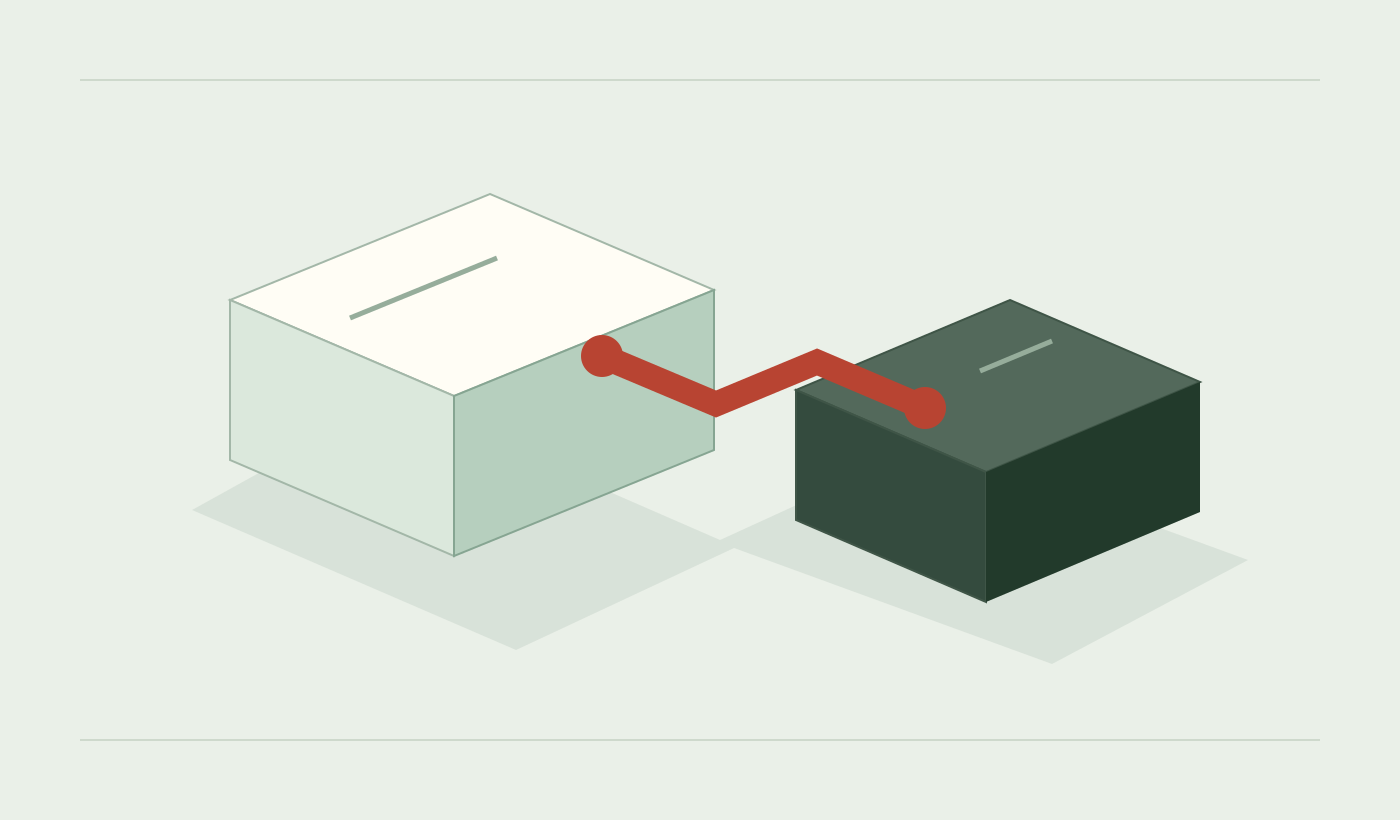
01 / SYSTEM SHAPE
Connect the portal to the work behind it.
Platform development brings several experiences into one coherent system. A customer may submit a request through a portal while an internal team reviews it in an operations console. Both need a consistent record, clear permissions and a visible next step.

The architecture starts with the workflow and the existing environment. A platform does not need every possible module; it needs the connections that make the intended service usable.
02 / USER EXPERIENCES
Different users. One consistent business process.
- Customer portal
- Account access, request submission, document exchange, status visibility and follow-up. Define what customers may view or change at each stage.
- Partner workspace
- Organization onboarding, assigned records, delegated tasks and shared information. Separate partner access from internal operational control.
- Operations console
- Review queues, assignments, exceptions, configuration and reporting. Connect these actions to the same business records used by external users.
- Application services
- Shared business rules, authorization, notifications and integration behavior, with explicit ownership and documented interfaces.
03 / SAAS FOUNDATIONS
Plan the service model alongside the application.
For a SaaS platform, decisions about accounts, workspaces and the service lifecycle affect the application design. Discuss organization setup, invitations, membership, entitlements, account closure and data access before assuming one shared model will suit every customer.
Workspace boundaries
Identify which records belong to an organization, which users may cross organization boundaries and what administrative access is permitted. Tenancy and deployment patterns are chosen against the actual data, isolation and operating requirements.
Plans and commercial rules
If the service has subscriptions, specify plan eligibility, activation, renewal, cancellation and the consequences of a plan change. Payment processing or automated billing integration is a separate scope item with its own dependencies and provider requirements.
Onboarding and exit
Map the first successful task as well as account closure. Include import needs, user guidance, export options and what happens to access and retained information when service ends.
04 / SYSTEM CONNECTIONS
Make the source of truth explicit.
A platform may need to exchange information with an existing CRM, ERP, support system or other application. The presence of an API does not settle how records stay consistent.
- Name the authoritative system for each record and important field.
- Define authentication, permissions, request formats and version boundaries.
- Agree update timing, validation, retries, duplicate handling and error reporting.
- Separate sandbox and production credentials and test the failure routes.
- Assign ownership for third-party configuration, costs, access and service changes.
Specific connectors, provider accounts and permissions are confirmed during scoping. Existing vendors and supported interfaces constrain what can be integrated.
05 / PHASED DELIVERY
Build the complete first journey, then expand.
Frame the platform
Map user groups, service boundaries, core records and existing dependencies.
Prove one connected journey
Move a representative task from the user-facing portal into the operational workspace and back to a visible outcome.
Prepare for release
Review permissions, integrations, data movement, monitoring and recovery responsibilities. Accept the release against agreed scenarios.
Extend with evidence
Prioritize additional modules using actual user feedback, operational friction and business needs.
The result of scoping should be a clear release boundary, a responsibility map and a reviewable set of deliverables. Schedule, ownership and ongoing operation belong in the project agreement.
Operating conditions belong in the scope.
A platform is judged on ordinary days, not only at launch. Agree these conditions alongside the user journeys so that the release boundary includes them:
- Identity and sessions: sign-in method, session length, account recovery, and how partner organizations are verified.
- Availability expectations: which journeys must stay usable, what interruption is tolerable, and the fallback when a dependency is unavailable.
- Observability: what is recorded, who reviews failures, and how a failed integration becomes visible to an operator.
- Data lifecycle: retention, export, deletion, and which records must remain after an account closes.
- Environment separation: how test data, credentials and releases are kept apart from production.
Each answer has a cost and an owner. Naming them early is cheaper than discovering them during the first incident.